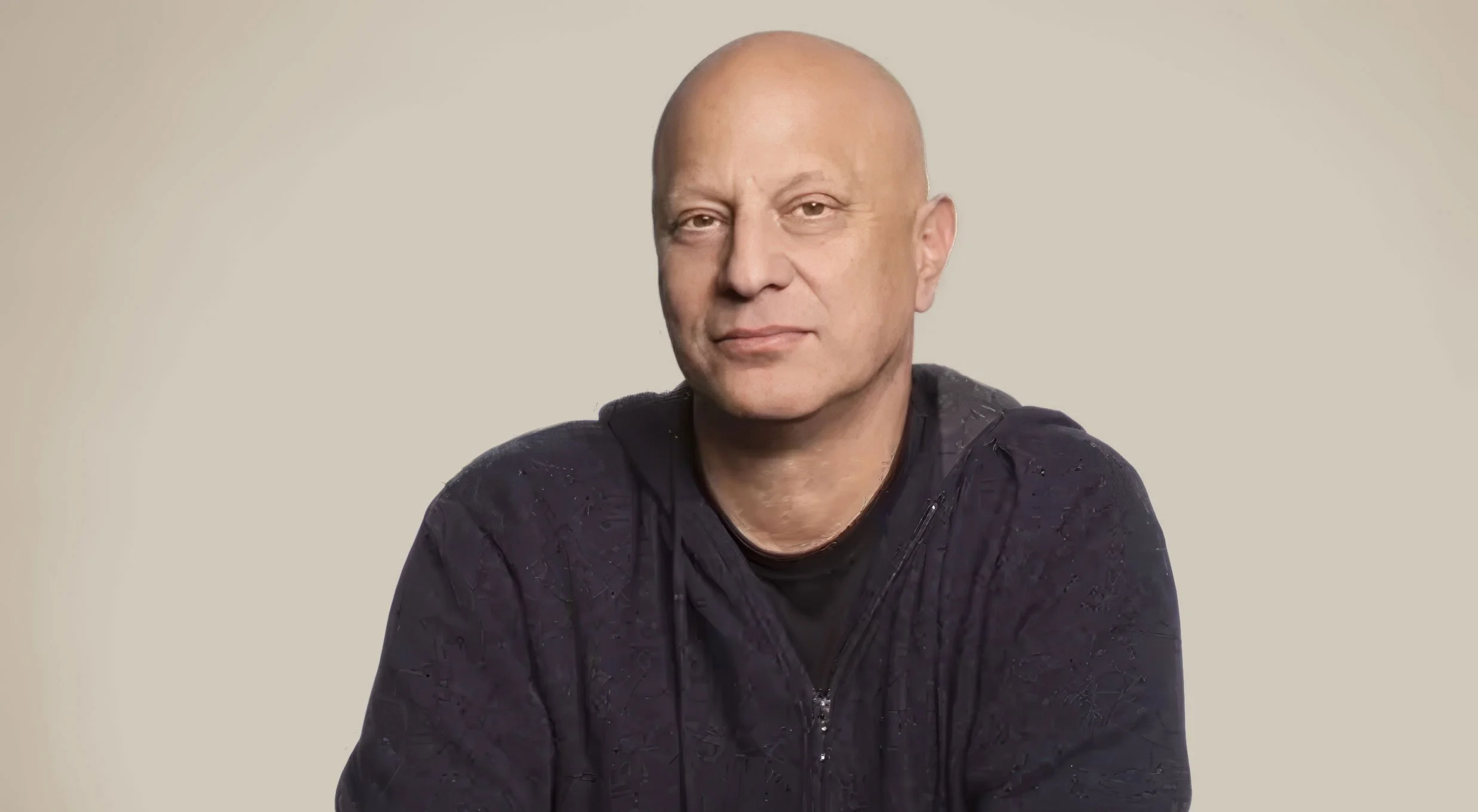
A diagnosis can redefine a life, but in some cases, it reframes how time itself is understood. When Jim Stavis was diagnosed with Type 1 diabetes at 17, the medical outlook he received was shaped by the limitations of its era, carrying with it expectations of a shortened lifespan and progressive complications. He reflects on the significance of that moment that extended beyond the condition itself, influencing how he would approach every decision that followed.
Diagnosed with Type 1 diabetes at a time when treatment options were limited, he was told he might not live beyond 50. According to him, the condition came with expectations of complications that would define his life.
Rather than allowing that forecast to dictate his trajectory, Stavis made a different decision. He chose to move forward with urgency, building a life on what he understood to be a shortened timeline. That awareness, he explains, became a catalyst rather than a constraint. He started a business straight out of high school, an early step that would lead to decades of experience as an entrepreneur and later inform his work as an author and speaker focused on resilience and navigating adversity.
That sense of urgency, he notes, was not driven by fear but by intention. “I could either let the diagnosis define my life, or I could move forward and build the life I wanted,” he says. “I chose to move forward with the belief that medical advancements might eventually change my outcome.”
For a time, they did. Stavis built a business, raised a family, and moved through life with what he frames as a sense of cautious optimism. But in his late 40s, the long-term effects of diabetes began to surface. His health declined rapidly, culminating in congestive heart failure and kidney failure at 49.
According to Stavis, during a consultation at a nonprofit hospital, doctors laid out an option: a heart, kidney, and pancreas transplant. The nature of it didn’t give him pause. As he recalls, his reaction came naturally. “I’ll do it,” he says. “In that moment, it felt instinctive, and looking back, it reflected the way I’ve approached my life from the beginning.”
The surgery was completed in stages, with the heart and kidney transplant followed by a pancreas transplant months later. That experience reshaped more than his health. It reframed his understanding of hope. In reflecting on what sustained him through that period, Stavis points to a mindset that had guided him long before the surgery. He frames it as accepting what cannot be controlled while taking full ownership of what can.
“Hope is something you do,” he says. “It’s not something you wait for. It’s the way you choose to think and act every day.”
This perspective would later become central to his work as a speaker. Initially, Stavis shared his story with medical groups and organizations involved in organ donation, emphasizing how donation makes survival stories like his possible. Over time, he began to see a broader application for his experience, particularly within the business world, where uncertainty and disruption are often underestimated.
Today, he works with leadership teams and organizations as a speaker and advisor, translating his experiences into practical frameworks for navigating uncertainty, decision-making under pressure, and building resilience within teams. According to him, these engagements are designed to help business leaders think differently about adversity, not as an exception, but as an inevitability that requires preparation.
His business journey had already exposed him to unexpected challenges, including a fire that nearly destroyed his first company and the loss of a business partner years later. According to him, the same principles that guided him through health crises applied in those moments as well. Resilience, once internal, became part of the culture around him.
He notes that this perspective now informs how he engages with organizations, particularly in discussions around leadership under uncertainty and how mindset can influence both decision-making and team dynamics during periods of disruption.
That resilience would be tested again in a profoundly different way. After decades of being the patient, Stavis became the caregiver when his wife was diagnosed with ovarian cancer. Over more than four years of treatment, he found himself navigating a new form of uncertainty, one where the outcome was increasingly difficult to influence.
He explains that period as one of the most challenging chapters of his life. Yet, he approached it with the same commitment to hope that had defined his own recovery. His wife passed away in August 2024, a loss that led him to revisit his book, aptly titled When Hope Is Your Only Option, and add the chapters he had not initially planned to write.
Reflecting on that experience, he points to gratitude as a constant. “No matter what adversity you face, if you can find gratitude for what you still have, it changes how you experience life,” he says.
For Jim Stavis, hope is not abstract or passive. It is a discipline shaped by action, perspective, and a willingness to move forward even when outcomes are uncertain. His story, while rooted in extraordinary circumstances, is ultimately about a decision he made early and repeated often.
Through his writing and speaking, he continues to frame these ideas in a business and life context, offering audiences a way to approach adversity with structure, clarity, and intent. “Never give up,” he says. “Hope is the thing that keeps you going, but only if you choose to use it.”This article is for informational purposes only and does not substitute for professional medical advice. If you are seeking medical advice, diagnosis or treatment, please consult a medical professional or healthcare provider.
Daniel Fusch, Contributor